


If you’re a retail merchant in Detroit, you’re likely always on the lookout for ways to boost your business and increase your sales. One powerful tool that can help you achieve this is a retail point of sale system. These systems have the ability to supercharge your retail business by streamlining your operations, increasing efficiency, and providing valuable insights into your customers’ preferences and behaviors. By implementing a point of sale system, you can take your Detroit retail business to the next level and stay ahead of the competition.

1. Understanding Retail Point of Sale Systems
What is a Retail Point of Sale System?
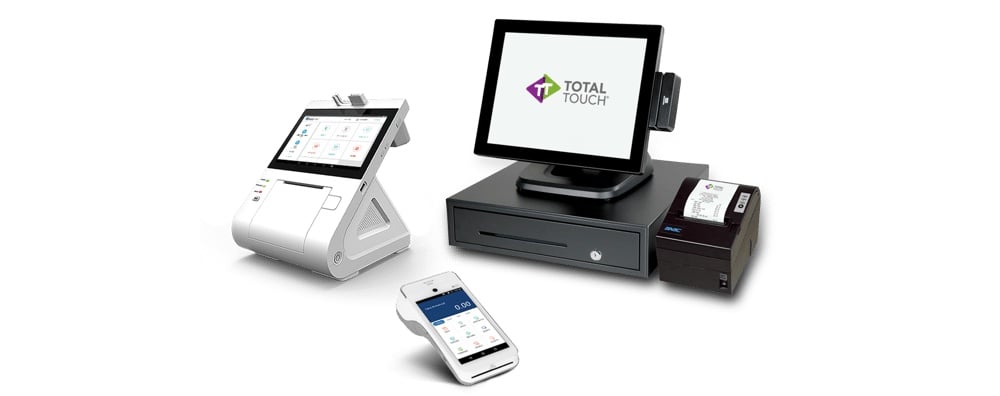
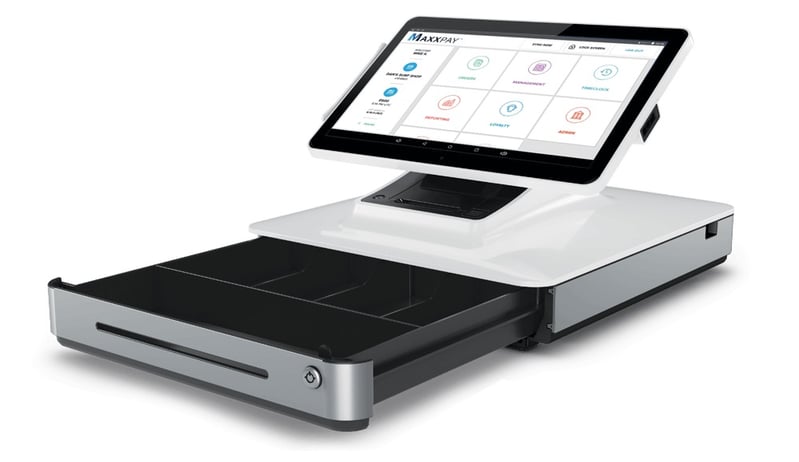
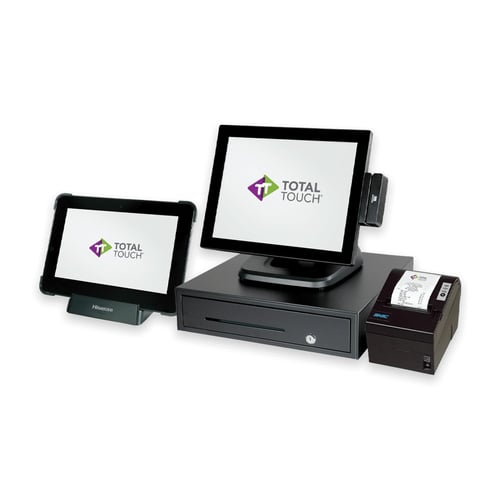
A Retail Point of Sale (POS) system is a combination of software and hardware that enables retail merchants to complete transactions with customers. It is essentially the central hub of a retail business, allowing merchants to process sales, manage inventory, track sales data, and provide customer service. Retail POS systems are typically composed of a computer, barcode scanner, cash drawer, receipt printer, and other peripherals, all connected to a software program that runs the system.
Why are Retail Point of Sale Systems important for Detroit Retail Merchants?
Retail POS systems are crucial for Detroit retail merchants in several ways. Firstly, they help automate and streamline various operational tasks, saving time and effort. Secondly, they provide accurate and real-time data on sales and inventory, helping merchants make informed decisions about purchasing, pricing, and restocking. Thirdly, POS systems enhance the overall customer experience by facilitating quick and efficient transactions and enabling personalized service. In a competitive retail environment like Detroit, where customer satisfaction is paramount, a reliable POS system can give merchants an edge and help them thrive.
Benefits of using Retail Point of Sale Systems
Using a Retail Point of Sale system offers numerous benefits for Detroit retail merchants. Firstly, it improves efficiency by automating many manual tasks, such as calculating prices, generating receipts, and updating inventory. This allows merchants to serve customers more quickly, reducing wait times and enhancing the overall shopping experience. Secondly, a POS system enables accurate sales tracking and reporting, providing merchants with valuable insights into their business performance. This helps identify trends, evaluate the effectiveness of marketing campaigns, and make data-driven decisions. Thirdly, retail POS systems often include customer relationship management (CRM) functionalities, allowing merchants to build and maintain relationships with their customers. CRM features enable merchants to capture and store customer information, track purchase history, and offer personalized service. Lastly, POS systems can integrate with other systems, such as accounting software or e-commerce platforms, streamlining business processes and improving overall efficiency.
2. Choosing the Right Retail Point of Sale System
Identify your business needs
Before choosing a retail POS system, it’s important to identify your specific business needs. Consider the size of your operation, the type of products you sell, and the unique requirements of your industry. For example, a small boutique may have different needs compared to a large department store. Think about the features and functionalities that are essential for your business, such as inventory management, sales reporting, or CRM capabilities. By understanding your needs, you can narrow down your options and choose a system that aligns with your requirements.
Consider your budget
It’s vital to consider your budget when selecting a retail POS system. Some systems may have upfront costs for hardware and software, while others offer subscription-based pricing. Take into account both the initial investment and any ongoing costs, such as maintenance or support fees. Remember that while cost is an important factor, it should not be the sole determining factor. Consider the long-term value and return on investment (ROI) that the system can provide for your business.
Evaluate the features and functionalities
When evaluating retail POS systems, carefully assess the features and functionalities offered by each option. This may include inventory management, sales tracking, CRM, integration capabilities, and payment processing options. Make a list of the features that are essential for your business and compare different systems to find the best fit. Look for systems that are customizable and scalable, allowing you to adapt and grow your business over time.
Check compatibility and support
Compatibility is another crucial consideration when choosing a retail POS system. Ensure that the system you select is compatible with your existing hardware and software infrastructure. This will help ensure a smooth implementation and minimize disruptions during the transition. Additionally, consider the level of support offered by the POS system provider. Look for a provider that offers comprehensive technical support, including on-site assistance, phone support, and online resources. Having reliable support can be invaluable when encountering any issues or needing assistance with the system.
Research customer reviews and ratings
Before making a final decision, take the time to research customer reviews and ratings of different retail POS systems. Look for feedback from other retailers in the Detroit area or in similar industries. Reading reviews can provide insights into the pros and cons of each system and help you make an informed decision. Pay attention to reviews that discuss system reliability, ease of use, and customer support experience. Engage in online forums and seek advice from fellow merchants to get firsthand information about the systems they use and recommend.

3. Key Features to Look for in Retail Point of Sale Systems
Inventory management
One of the key features to look for in a retail POS system is robust inventory management capabilities. Effective inventory management is crucial for Detroit retail merchants to ensure they have the right products in stock, minimize overstocking or stockouts, and streamline the replenishment process. Look for a system that allows you to track inventory levels, set reorder points, generate purchase orders, and manage product variations or attributes.
Sales tracking and reporting
Accurate sales tracking and reporting are essential for understanding the financial health of your business. Look for a retail POS system that provides comprehensive sales tracking capabilities, allowing you to capture data on individual sales, daily totals, and sales by product category or time period. The system should also offer reporting features that allow you to generate sales reports, analyze trends, and monitor key performance indicators (KPIs) relevant to your business.
Customer relationship management (CRM)
A retail POS system with customer relationship management functionalities can greatly enhance your customer service and marketing efforts. Look for a system that enables you to capture and store customer information, such as contact details and purchase history. It should also offer features like loyalty program management, customer segmentation, and targeted marketing campaigns. A robust CRM system can help you build stronger relationships with your customers, encourage repeat business, and drive customer loyalty.
Integration with other systems
In today’s interconnected business landscape, integration capabilities are crucial for seamless operations. Look for a retail POS system that can integrate with other systems you use, such as accounting software, e-commerce platforms, or customer loyalty programs. Integration eliminates the need for manual data entry and allows information to flow smoothly between systems, reducing errors and saving time.
Ability to accept different payment methods
The ability to accept different payment methods is an important consideration when choosing a retail POS system. Ensure that the system you select supports a wide range of payment options, including credit cards, debit cards, mobile payments, and gift cards. This flexibility will cater to the diverse preferences of your customers and make it easier for them to complete transactions.
User-friendly interface and customization options
A user-friendly interface is crucial for maximizing productivity and minimizing training time. Look for a retail POS system that has an intuitive interface and is easy to navigate. Customization options are also valuable, allowing you to tailor the system to your business needs and preferences. Consider the level of flexibility the system offers in terms of customizable screens, shortcuts, and workflows.
4. Setting Up and Configuring Your Retail Point of Sale System
Gather necessary hardware and software
Once you have chosen a retail POS system, it’s time to gather the necessary hardware and software components. Depending on the system you selected, this may include a computer, barcode scanner, cash drawer, receipt printer, and any other peripherals required. Ensure that all the components are compatible with the POS system and meet your business requirements. Additionally, purchase and install any required software licenses or subscriptions.
Install and configure the software
Follow the instructions provided by the POS system provider to install and configure the software on your computer or network. This typically involves installing the software, setting up user accounts, and configuring basic settings like tax rates and receipt templates. The provider may offer installation assistance or user guides to help you through the process. In case of any difficulties, reach out to their support team for guidance.
Add product information to the system
To make full use of your retail POS system, it’s important to add accurate and comprehensive product information. This may include product names, descriptions, SKU numbers, prices, and any other relevant details. Depending on the POS system, you may also need to import or input existing inventory data. Take the time to ensure the information is correct and organized, as it forms the foundation of your inventory management and sales tracking.
Set up security measures and user access levels
Protecting your retail POS system and the sensitive data within it is crucial. Setting up adequate security measures helps safeguard against unauthorized access and potential breaches. Configure user access levels, allowing different employees to have access only to the features and data they need to perform their roles. Implement strong passwords and consider additional security measures, such as two-factor authentication or encryption, if available.
Train your staff on using the system
Proper training for your staff is essential to ensure that they can effectively use the retail POS system. Provide comprehensive training sessions that cover all relevant functionalities and workflows. Demonstrate how to process sales, manage inventory, generate reports, and utilize CRM features. Offer hands-on practice opportunities and encourage staff to ask questions. Consider providing training materials or recording sessions for future reference.
5. Maximizing Efficiency with Retail Point of Sale Systems
Streamlining checkout process
One of the primary goals of a retail POS system is to streamline the checkout process, making it quick and efficient. Ensure that your system is optimized for fast and accurate transactions. This includes features like barcode scanning, touchscreen interfaces, and automatic price calculations. Minimize the number of steps required to complete a sale and eliminate unnecessary prompts or confirmations that can slow down the process.
Implementing barcode scanning and label printing
Barcodes are essential for efficient inventory management and quick sales processing. Implement barcode scanning capabilities in your retail POS system, allowing your staff to simply scan product barcodes for accurate and speedy transactions. Additionally, consider using barcode label printers to create and affix labels to your products. This will enable faster inventory tracking and ensure accurate pricing at the point of sale.
Utilizing customer loyalty programs
Customer loyalty programs are a valuable tool for attracting and retaining customers. Look for a retail POS system that supports the implementation and management of loyalty programs. This may include features like points accumulation, rewards redemption, and customer data tracking. By utilizing loyalty programs, you can incentivize repeat business, gather valuable customer insights, and strengthen customer relationships.
Automating inventory management
Automating inventory management is a key benefit of using a retail POS system. Leverage this capability to save time and ensure accurate inventory tracking. Set up automated reordering processes based on predefined reorder points. Use the system to generate purchase orders and track shipments. By automating these tasks, you can free up time for other important aspects of running your business.
Generating sales reports and analytics
Make use of the sales tracking and reporting features of your retail POS system to generate actionable insights. Regularly review sales reports and analytics to identify trends, evaluate the performance of specific products or categories, and make data-driven decisions. This information can help you optimize pricing strategies, identify top-selling items, and forecast demand more accurately.
Integrating with e-commerce platforms
If you also have an online presence, consider integrating your retail POS system with your e-commerce platform. This enables seamless inventory synchronization, pricing consistency, and streamlined order management. By integrating these systems, you can provide a unified and cohesive experience for your customers, whether they shop in-store or online.
6. Enhancing Customer Experience with Retail Point of Sale Systems
Providing personalized service
A retail POS system can empower your staff to provide personalized service to customers. Utilize the CRM functionalities of your system to capture customer information and preferences. Train your staff to utilize this information to offer tailored recommendations, promotions, and personalized interactions. Remembering a customer’s previous purchases or preferences can go a long way in building customer loyalty and satisfaction.
Offering multiple payment options
A retail POS system should offer flexibility in accepting different payment methods. Provide your customers with various options, including credit cards, debit cards, mobile payment apps, and gift cards. The ability to accept a wide range of payment methods ensures that your customers can complete transactions using their preferred method, reducing friction and increasing customer satisfaction.
Integrating with mobile devices
Incorporating mobile devices into your retail POS system can enhance the customer experience. Look for a system that can be used on tablets or smartphones, allowing your staff to assist customers anywhere in the store. Mobile POS devices enable line-busting, allowing staff to process transactions on the sales floor during peak times. This helps reduce wait times and creates a more interactive and engaging shopping experience.
Enabling quick and seamless returns
Handling returns can be a challenging process, but a retail POS system can simplify the task. Ensure your system offers features for processing returns efficiently. This may include the ability to look up previous transactions, process refunds, and update inventory automatically. By enabling quick and seamless returns, you can enhance customer satisfaction and build trust in your business.
Implementing digital signage and interactive displays
A modern retail POS system can integrate with digital signage and interactive displays, enhancing the overall shopping experience. Consider using digital signage to display promotional offers, advertisements, or product information. Interactive displays can engage customers and provide additional product details or recommendations. These technologies can grab customers’ attention, increase dwell time, and ultimately boost sales.
7. Securing Your Retail Point of Sale System
Choosing a reliable and secure system
When selecting a retail POS system, prioritize security and reliability. Look for a reputable provider that has a track record of delivering secure solutions. Ensure that the system is designed with security in mind, implementing measures such as data encryption, secure user authentication, and regular security updates. Consider systems that are Payment Card Industry Data Security Standard (PCI DSS) compliant for added peace of mind.
Regularly updating software and security patches
To maintain the security of your retail POS system, it’s crucial to regularly update software and security patches. Keep the software up to date with the latest version offered by the provider. Regular updates often include security enhancements and bug fixes, protecting your system against potential vulnerabilities. Set up automatic updates if available or establish a process to regularly check for and apply updates.
Implementing strong password policies
Strong password policies are an important line of defense against unauthorized access. Implement password policies that require strong, unique passwords for each user account. Encourage your staff to choose long passwords with a combination of letters, numbers, and special characters. Consider implementing two-factor authentication for an additional layer of security.
Monitoring and managing user access
Regularly monitor and manage user access to your retail POS system. Ensure that user accounts are created only for employees who require access and that former employees’ accounts are promptly deactivated. Regularly review user access levels to ensure employees have the appropriate permissions for their roles. By effectively managing user access, you can minimize the risk of internal breaches or unauthorized activities.
Backing up data regularly
Backing up your retail POS system data regularly is essential to protect against data loss or system failures. Set up automated backup processes to ensure that critical data is regularly saved and stored securely. Consider using cloud-based storage for added redundancy and accessibility. Regular backups help ensure you can quickly recover data in the event of a failure or security incident.
8. Troubleshooting and Technical Support for Retail Point of Sale Systems
Common issues and their solutions
Despite the reliability of modern retail POS systems, occasional issues may still arise. Familiarize yourself with some common issues and their potential solutions. Examples include connectivity problems, software freezing or crashing, hardware malfunctions, or issues with peripheral devices. Consult the system’s user manual or online documentation for troubleshooting guidance. Consider creating a troubleshooting guide specific to your system, tailored to your business needs.
Contacting the manufacturer or service provider
If you encounter technical issues beyond your ability to resolve, it’s important to reach out to the manufacturer or service provider for assistance. They typically have dedicated support teams available to help with troubleshooting and resolving system-related problems. Provide detailed information about the issue, including any error messages or steps that led to the problem. The manufacturer or service provider can guide you through the necessary troubleshooting steps or escalate the issue if required.
Utilizing online resources and forums
In addition to manufacturer or service provider support, utilize online resources and forums for assistance. Many retail POS system providers have knowledge bases or online documentation that offer step-by-step instructions for common tasks or issues. Online forums and merchant communities can also be valuable resources for troubleshooting or finding solutions to specific problems. Participate in discussions, ask questions, and share experiences with other users who may have encountered similar issues.
Seeking professional assistance
For complex or persistent issues, seeking professional assistance may be necessary. Consider consulting with IT professionals or specialized technicians who have expertise in retail POS systems. Professional technicians can diagnose and resolve issues efficiently, minimizing downtime and preventing further system disruptions. While it may involve an additional cost, professional assistance can be a worthwhile investment in maintaining the performance and reliability of your retail POS system.
9. Training and Ongoing Support for Retail Point of Sale Systems
Providing comprehensive staff training
Training your staff on the effective use of your retail POS system is essential for maximizing its benefits. Provide comprehensive training sessions that cover all relevant functionalities and processes. Allow sufficient time for hands-on practice and offer refresher trainings as needed. Consider assigning superusers or system champions who can provide ongoing support and assist with training new employees.
Offering continuous technical support
Ensure that your staff has access to continuous technical support for the retail POS system. This may include a designated support line, email support, or an online ticketing system. Establish clear escalation paths and response times to meet your business needs. Regularly communicate with the system provider to stay informed about updates, new features, and any upcoming changes.
Updating the system as required
To ensure that your retail POS system continues to perform optimally, stay proactive about system updates. Regularly check for software updates and apply them as required. These updates may include bug fixes, performance enhancements, or new features. Communicate with the system provider to understand the recommended update schedule and any potential impact on your business operations.
Staying informed about new features and updates
Stay informed about new features and updates for your retail POS system to make the most of its capabilities. Regularly review release notes or newsletters provided by the system provider. Attend webinars or training sessions offered by the provider to learn about new functionalities or best practices. Being up to date with system enhancements allows you to continuously improve your processes and adapt to changing business needs.
10. Success Stories and Case Studies of Detroit Retail Merchants
Retailers who successfully implemented Retail Point of Sale Systems
In Detroit, several retail merchants have successfully implemented retail POS systems and experienced positive outcomes. Examples include small boutiques that have improved their inventory management and streamlined sales processes. Large department stores have utilized retail POS systems to optimize their sales reporting and take advantage of CRM functionalities to deepen customer relationships. The success stories of these retailers demonstrate the transformative impact that retail POS systems can have on businesses of all sizes.
The impact of POS systems on their business
The impact of retail POS systems on the businesses of Detroit merchants has been significant. The systems have enabled more efficient operations, reduced human error, and accelerated the checkout process. By automating inventory management and implementing robust sales tracking, retailers have gained valuable insights into their business performance. This has empowered them to make informed decisions about pricing, restocking, and marketing strategies. Additionally, the ability to offer personalized service through customer relationship management features has enhanced customer satisfaction and loyalty, leading to increased revenue and customer retention.
Lessons learned and best practices
The experiences of Detroit retail merchants provide valuable lessons and best practices. First and foremost, careful evaluation and consideration of business needs is essential before choosing a retail POS system. Taking the time to identify specific requirements and prioritizing features that are most important for success is key. Additionally, investing in comprehensive staff training and ongoing technical support is crucial for fully utilizing the system’s capabilities. Lastly, regularly reviewing sales reports and leveraging the system’s analytics features enables data-driven decision-making that can drive growth and success.
In conclusion, retail POS systems are essential tools for Detroit retail merchants to streamline operations, enhance the customer experience, and drive business growth. By choosing the right system, retailers can benefit from features like inventory management, sales tracking, CRM, and integration capabilities. Proper setup, training, and ongoing support are crucial for maximizing the system’s potential. With the right retail POS system in place, Detroit retail merchants can unlock numerous benefits and position themselves for success in a competitive market.
(Word count: 2956)