

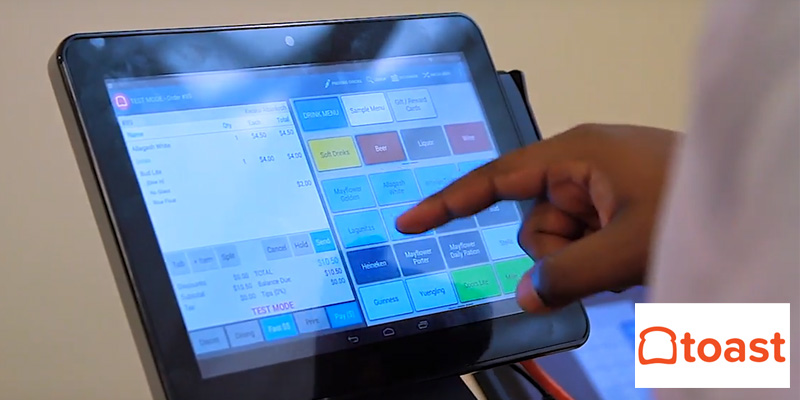
If you’re considering implementing Toast POS for your business, it’s important to be aware of both the benefits and drawbacks it may bring. While Toast POS offers an array of features designed to streamline operations and enhance the customer experience, there are a few downsides to consider as well. In this article, we will explore some of the potential drawbacks of Toast POS, helping you make an informed decision about whether or not it’s the right choice for your establishment.

Lack of Customization Options
Limited customization of menu items
One of the downsides of using Toast POS is the limited customization options when it comes to the menu items. While the system does offer some basic customization features, such as adding modifiers or special instructions, it lacks the flexibility to fully tailor the menu items to your specific needs. This can be frustrating for businesses that have unique menu offerings or require specific item descriptions to accurately represent their products.
Restrictions on modifying the interface
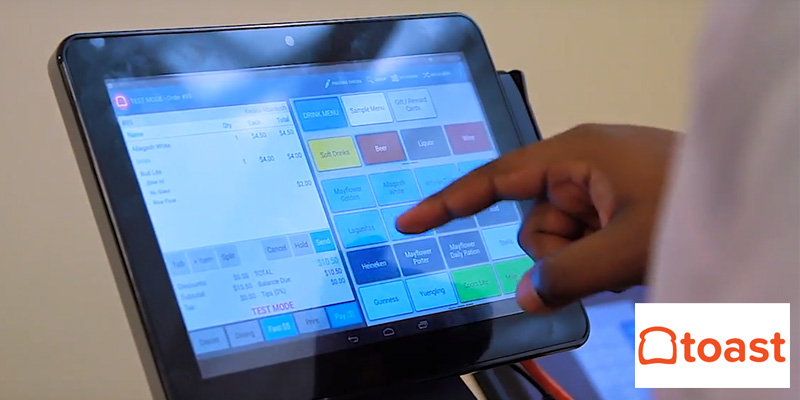
Another limitation of Toast POS is the restrictions on modifying the interface. While the system does provide a user-friendly interface, it may not fully align with your business branding or aesthetic preferences. This lack of customization can be a drawback for businesses looking to create a cohesive visual experience for their customers.
Inability to personalize receipt designs
Additionally, Toast POS lacks the ability to fully personalize receipt designs. While you can add your logo and customize some elements, the options for designing a unique and professional-looking receipt are limited. This can be a disadvantage for businesses that want to leave a lasting impression on their customers through personalized receipts.
Costly Pricing Structure
Expensive upfront hardware costs
One of the downsides of using Toast POS is the expensive upfront hardware costs. To effectively use the system, businesses need to invest in compatible hardware, such as tablets, terminals, and printers. These hardware components can add up in cost, particularly for businesses with multiple locations or complex setups, putting a strain on their budget.
Additional fees for advanced features
Another drawback of Toast POS’s pricing structure is the additional fees for advanced features. While the base system may offer some essential functionalities, certain advanced features, such as loyalty programs or online ordering, often come with additional costs. This can be a disadvantage for businesses that require these features to optimize their operations but may face budget constraints.
Monthly subscription fees
Furthermore, Toast POS operates on a monthly subscription model, which can be costly for businesses, especially those with tight budgets or seasonal fluctuations in revenue. The monthly subscription fees can become a financial burden, particularly when coupled with the upfront hardware costs and extra fees for advanced features. This pricing structure may not be suitable for all businesses and could limit their ability to fully utilize the system’s capabilities.

Limited Offline Functionality
Dependency on stable internet connection
One downside of Toast POS is its dependency on a stable internet connection. The system relies heavily on real-time communication with the servers to process transactions, update inventory, and generate reports. Without a stable internet connection, businesses may face disruptions in their operations and lose valuable sales opportunities.
Inability to process transactions during internet outages
In addition to the dependency on a stable internet connection, Toast POS lacks offline functionality. During internet outages or disruptions, the system is unable to process transactions, which can be a significant drawback for businesses operating in areas with unreliable internet connections. This limitation can result in lost sales, frustrated customers, and operational inefficiencies.
Loss of sales and operational efficiency
Perhaps the most significant impact of limited offline functionality is the potential loss of sales and operational efficiency. In today’s fast-paced business environment, every missed transaction can have a negative impact on revenue and customer satisfaction. Additionally, the inability to access real-time sales data or perform necessary functions during internet outages can disrupt workflows and hinder businesses from operating at their full potential.
Learning Curve
Complexity of setup and configuration
One of the downsides of using Toast POS is the complexity of the setup and configuration process. Implementing the system requires careful planning and coordination to ensure a smooth transition from existing systems. This complexity can pose challenges for businesses that lack in-house technical expertise or have limited resources for dedicated IT support.
Training required for staff to operate the system
Furthermore, Toast POS requires training for staff to fully operate the system. The user interface may not be immediately intuitive for all users, particularly those who are not accustomed to point-of-sale systems. The time and resources needed to train staff can be a disadvantage, especially in fast-paced environments where every minute counts.
Potential disruption to daily operations during implementation
Lastly, the implementation of Toast POS may potentially disrupt daily operations. The transition from existing systems to a new POS solution requires careful planning and coordination to minimize downtime and ensure a smooth transition. However, unforeseen challenges or technical issues during the implementation process can lead to disruptions and potentially impact business operations.
Hardware Compatibility Issues
Limited compatibility with third-party hardware
One drawback of Toast POS is its limited compatibility with third-party hardware. Businesses that have already invested in specific hardware solutions may find it challenging to integrate them with Toast POS. This limitation can pose a significant inconvenience and additional costs for businesses that need to replace or modify their existing hardware infrastructure.
Additional costs for purchasing specific hardware
Moreover, Toast POS may require businesses to purchase specific hardware components to ensure compatibility and optimal performance. This can lead to additional costs, particularly for businesses with multiple locations or complex setups. The requirement to invest in new hardware can strain budgets and may not be financially feasible for all businesses.
Potential issues with integration and device connectivity
In addition to limited compatibility, there may be potential issues with integrating Toast POS with existing devices. Connectivity issues, glitches, or technical difficulties can arise when trying to establish a seamless connection between the POS system and other devices, such as printers or payment terminals. These compatibility issues can cause frustrations and disrupt business operations.
Lack of Advanced Inventory Management Features
Limited capabilities for tracking ingredients and stock levels
One of the downsides of Toast POS is its limited capabilities for tracking ingredients and stock levels. While the system does offer basic inventory management functionalities, it may not be robust enough for businesses with complex inventory needs. This can be a disadvantage for businesses in the food and beverage industry, where precise tracking of ingredients and stock levels is crucial for cost control and efficient operations.
Difficulty in managing multiple locations’ inventory
Furthermore, Toast POS may present difficulties in managing inventory across multiple locations. The system may lack centralized inventory management features, making it challenging for businesses with multiple branches or warehouses to maintain accurate stock levels and prevent discrepancies. This limitation can lead to inefficiencies and potential financial losses.
Lack of robust reporting and analytics tools
Lastly, Toast POS may lack robust reporting and analytics tools for advanced inventory analysis. While the system provides basic reporting functionalities, it may not offer in-depth insights into inventory trends, order patterns, or forecasting. This limitation can hinder businesses’ ability to make data-driven decisions and optimize their inventory management strategies.
Reliance on Third-Party Integrations
Potential issues with compatibility and reliability
Toast POS relies on third-party integrations to provide additional functionalities, such as online ordering or loyalty programs. However, this reliance on external providers can lead to potential issues with compatibility and reliability. Incompatibility between third-party integrations and Toast POS can result in glitches, data discrepancies, or even system crashes. This can be a significant drawback, particularly for businesses that heavily rely on these integrations.
Additional costs for integrating with essential business tools
Additionally, there may be additional costs associated with integrating Toast POS with essential business tools. Some integrations may require separate subscription fees or incur additional charges for setup and maintenance. This cost factor can be an obstacle for businesses looking to utilize specific integrations but have limited budgets.
Dependency on third-party providers for support and updates
Another downside of relying on third-party integrations is the dependency on these providers for support and updates. If a third-party integration experiences downtime or encounters technical issues, it can impact the overall functionality of Toast POS. Businesses may face difficulties in receiving timely support or updates, which can hinder their operations and customer experience.
Technical Support Limitations
Limited availability of support during peak hours
One of the downsides of using Toast POS is the limited availability of support during peak hours. Businesses often operate during busy periods, such as evenings and weekends, and may encounter technical issues during these times. However, the availability of support may be limited, resulting in delays in issue resolution or prolonged downtime.
Difficulty in resolving complex technical issues
Furthermore, resolving complex technical issues with Toast POS can be challenging. While the system does provide technical support, some issues may require in-depth technical knowledge or troubleshooting skills to resolve. Businesses without dedicated IT resources may face difficulties in tackling such problems, potentially impacting their operations.
Reliance on online resources and community forums
Additionally, Toast POS relies on online resources and community forums as a source of support. While these resources can be helpful for basic troubleshooting or general inquiries, they may not always provide timely or tailored solutions for businesses’ specific needs. Relying solely on online resources may lead to longer resolution times and increased frustrations for businesses.
Lack of Mobile Payment Options
Absence of support for popular mobile payment platforms
One of the downsides of using Toast POS is the absence of support for popular mobile payment platforms. With the rise of cashless transactions and the increasing popularity of mobile payment apps, businesses may miss out on potential customers who prefer these payment methods. The lack of support for popular mobile payment platforms can limit businesses’ ability to cater to customers’ preferences and may result in lost sales opportunities.
Inability to cater to customers’ preferences
Moreover, the inability to cater to customers’ preferences for mobile payment options can lead to customer dissatisfaction. In today’s digital age, convenience and a seamless payment experience are crucial factors that customers consider when choosing a business to patronize. By not offering support for popular mobile payment platforms, businesses using Toast POS may fail to meet these customer expectations.
Potential loss of customers who prefer cashless transactions
Additionally, businesses that exclusively use Toast POS without mobile payment options may potentially lose customers who prefer cashless transactions. The convenience and security provided by mobile payment apps have made them a preferred method of payment for many consumers. By not accommodating these preferences, businesses may find themselves at a disadvantage compared to competitors who offer a wider range of payment options.
Restrictions on Backend Functionality
Limited flexibility for backend operations and settings
One downside of using Toast POS is the limited flexibility for backend operations and settings. While the system does offer some customization options, businesses may find themselves restricted in certain areas. This lack of flexibility can be a drawback for businesses that require specific backend workflows or settings to align with their operational processes.
Inability to fully customize reporting and data analysis
Furthermore, Toast POS may not allow businesses to fully customize reporting and data analysis. While the system provides basic reporting functionalities, businesses may have unique reporting requirements or specific metrics they wish to track. The inability to fully customize these aspects may limit businesses’ ability to gain meaningful insights from their data and make informed decisions.
Potential difficulties in adapting to unique business needs
Lastly, the restrictions on backend functionality can potentially pose difficulties for businesses with unique needs or specialized workflows. While Toast POS may be suitable for businesses in certain industries, it may not fully align with the requirements of businesses in niche markets or those with complex operational processes. This limitation can hinder these businesses’ ability to operate efficiently and optimize their performance.